Africa · Tanzania
Serengeti National Park
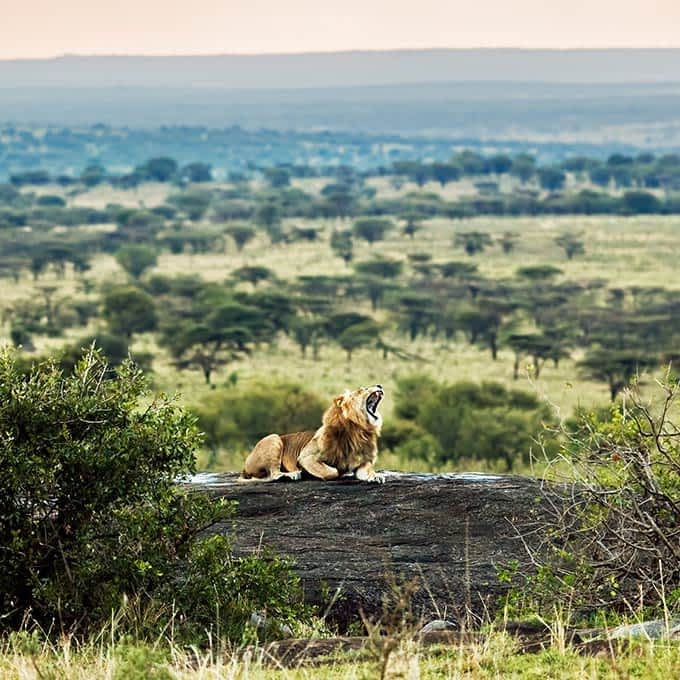
Africa's most iconic wildlife arena endless golden plains teeming with lions, leopards and over a million wildebeest in the eternal Great Migration.
About Serengeti National Park
The Serengeti is one of the oldest and most biodiverse ecosystems on Earth. Spanning 30,000 km² of northern Tanzania, it is home to the Great Migration the largest terrestrial mammal movement on the planet and supports the densest concentration of predators anywhere in Africa. Whether you visit for the dramatic Mara River crossings, the vast open savannah, or the sheer scale of the wildlife, the Serengeti delivers a safari experience unlike any other.
Highlights
- Witness the Great Migration (millions of wildebeest & zebras)
- Big Five game viewing (Safari Game drives to see the Big Five)
- Hot air balloon safaris over the plains
- Luxury tented camps under the stars
- Year-round predator sightings
- Cultural visits with Maasai communities
- Bird watching and nature exploration
- Photography safaris (sunrise & sunset wildlife moments)
- Walking safaris with expert guides
- Luxury lodge experiences in the wild
- Fly-in safaris for luxury, time-saving aerial access
- Bush dining experiences (sundowners, dinners under the stars)
- Honeymoon & romantic safari setups in secluded luxury camps
Best Time to Visit
July–October for Mara River crossings; January–February for the calving season on the southern plains.
Weather & Seasons
The Serengeti has two dry seasons and two wet seasons. Wildlife concentrates around permanent water during dry months, making game drives exceptional. The Great Migration follows the rains in a perpetual clockwise circuit across the ecosystem.
Dry Season
Jun – Oct
Clear skies, minimal rain, and excellent wildlife visibility. Peak season with the best game concentrations around water sources.
Calving Season
Jan – Feb
Warm and dry with very good wildlife viewing. Slightly fewer visitors than peak season.
Short Rains
Nov – Dec
Brief afternoon showers with lush green landscapes. Fewer tourists, excellent photographic light, and good birding.
Long Rains
Mar – May
Heavy rainfall makes some tracks impassable. Many camps close; great for birding and emerald-green landscapes.
Gallery


Tours and lodges for this destination are coming soon.